Tawny, ruby, vintage – what to know before a Porto tasting
Updated September 17, 2026 · 6 min read
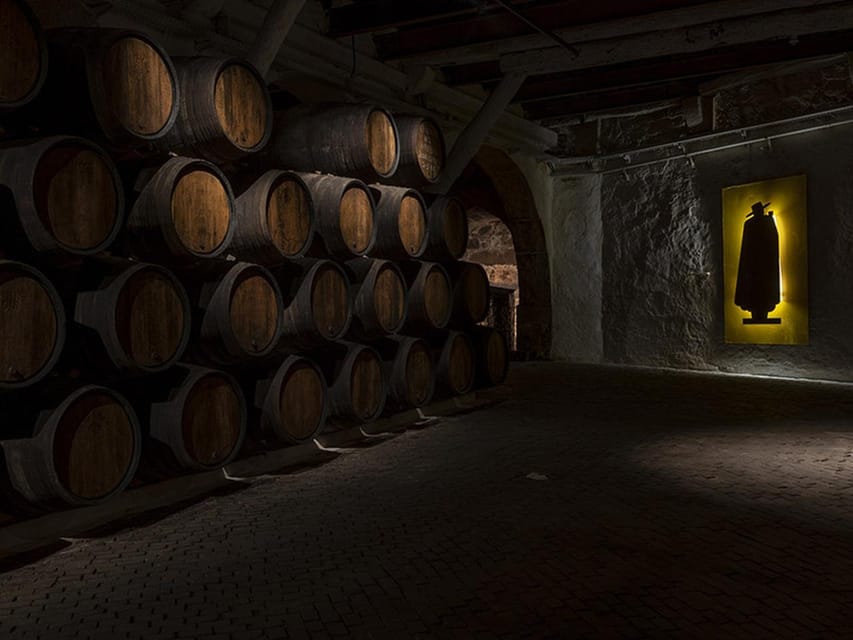
Most people arrive at a Gaia lodge knowing that port is sweet and strong, and leave having nodded through a list of words. The list is short and it is not arbitrary – once you have the shape of it, the tasting menu in front of you reads like a price list rather than a puzzle, and you can tell within a sentence whether the guide is explaining something or selling something.
What makes it port
Fermentation is stopped halfway. A neutral grape spirit at around 77 % is added to the fermenting must, the yeast dies, and whatever sugar has not yet been converted stays in the wine. That is the whole trick: the sweetness is not added, it is left behind, and the spirit takes the finished wine to between 19 and 22 % alcohol, which is the range the Instituto dos Vinhos do Douro e do Porto requires.
The grapes come from the Douro Demarcated Region, marked out in 1756 and one of the oldest protected wine regions anywhere. That is not tourist-board decoration: it is the reason the word on the bottle is regulated at all, and the reason a lodge on the Gaia waterfront can trace itself back to the company that drew the boundary. Real Companhia Velha, which still runs visits in Gaia, is that company’s direct descendant.
The two families
Everything else follows from one decision the house makes: does the wine age in wood, or in glass?
Ruby style – aged sealed, tastes of fruit. Kept in large vessels with little air contact, bottled young, still deep red. The flavours are blackberry, cherry, plum. Within the family: plain ruby (a blend of several years, up to about three years before bottling), ruby reserve (a better blend), LBV – late bottled vintage – from a single year, four to six years in wood, and at the top vintage.
Tawny style – aged in barrel, tastes of nuts. Smaller casks, deliberate contact with air, years of slow oxidation. The colour fades from red through amber to brown, and the fruit turns into walnut, caramel, dried fig and orange peel. Within the family: plain tawny, tawny reserve, tawny with an indication of age – 10, 20, 30 or 40 years – and colheita, a tawny from one single harvest, by law at least seven years in wood.
If you remember one thing, remember that these two are not better and worse. They are opposites, and most people have a clear preference by the end of the three glasses of a standard tasting.
What an age statement does and does not mean
A 20-year tawny is not twenty years old. The number is a style target: the blend is assembled to taste the way the house’s twenty-year-old wine is meant to taste, from casks older and younger than that. This is entirely legal, entirely normal, and it surprises almost everyone who hears it for the first time.
Colheita is the category where the year on the label is a real year. If you like the idea of drinking a specific harvest in tawny style, that is the word to look for – not the 10, 20 or 30.
Vintage – the one that is mostly not for tonight
Vintage port is declared only in exceptional years, roughly three or four times in a decade, and each house decides for itself whether to declare. It spends about two years in wood and then does its ageing in the bottle, typically for fifteen to twenty-five years before it is at its best.
Which is why a vintage on a tasting flight is often a slight anticlimax: a young one is tight and tannic, and it is not the sweet, silky thing the price suggests. Graham’s Vintage Room and the old-tawny sessions at other houses are where these wines are poured with enough air and enough explanation to make sense. On a €23 flight, you will not meet one.
White and rosé, which the lodges undersell
White port is made from white grapes in the same way, in dry to sweet versions. Nobody in Porto sips it neat in August – they drink porto tónico, white port over ice with tonic water and a strip of lemon peel. It is the local aperitif, it costs a few euros in the bars of the city, and it converts more sceptics than any cellar tour. A food tour is the easiest way to meet it next to the things the city actually eats.
Rosé is the newcomer, first released in 2008, technically a ruby with very short skin contact. It is made for mixing, and the houses know it.
What you will actually be poured
The standard three-glass flight in Gaia is a white, a ruby and a basic tawny – one from each corner, plus the aperitif style. Sandeman pours exactly that; Poças pours a white, an LBV and a reserve tawny, which is a more interesting set for the same money because the LBV shows you what the ruby family becomes with a few years on it.
Two things worth doing at the bar. Ask which family you have just preferred, then ask for the next step up inside it – that is a more useful question than “what do you recommend”, and most guides visibly enjoy it. And ask for the tawny slightly chilled: tawnies are served cool in Portugal, around cellar temperature or a little below, and the difference is not subtle. Details like these are why what separates the big houses matters more than the ticket price.
Taking a bottle home
The practical rule that nobody mentions on the tour: once opened, a tawny keeps for weeks – it has spent years in contact with air already, so a little more does no harm. A vintage or an LBV is a different matter and is best finished within a couple of days. If you are buying one bottle for a household that drinks slowly, buy the tawny.
Lodge shops sell at list price. If the intention is to bring something back, the aged tawnies and colheitas on the upper tastings are the ones that are genuinely hard to find outside Portugal – in the listings that means the old-tawny session at Sandeman for €53 and the Vintage Room at Graham’s for €70. The wine in the glass is a better reason for that surcharge than the room it is poured in. The full cellar and tasting listing shows which houses run those sessions, and how many glasses sit in which price covers what they cost. If you would rather see where the grapes grow first, that is a day in the Douro, not an afternoon in Gaia.